

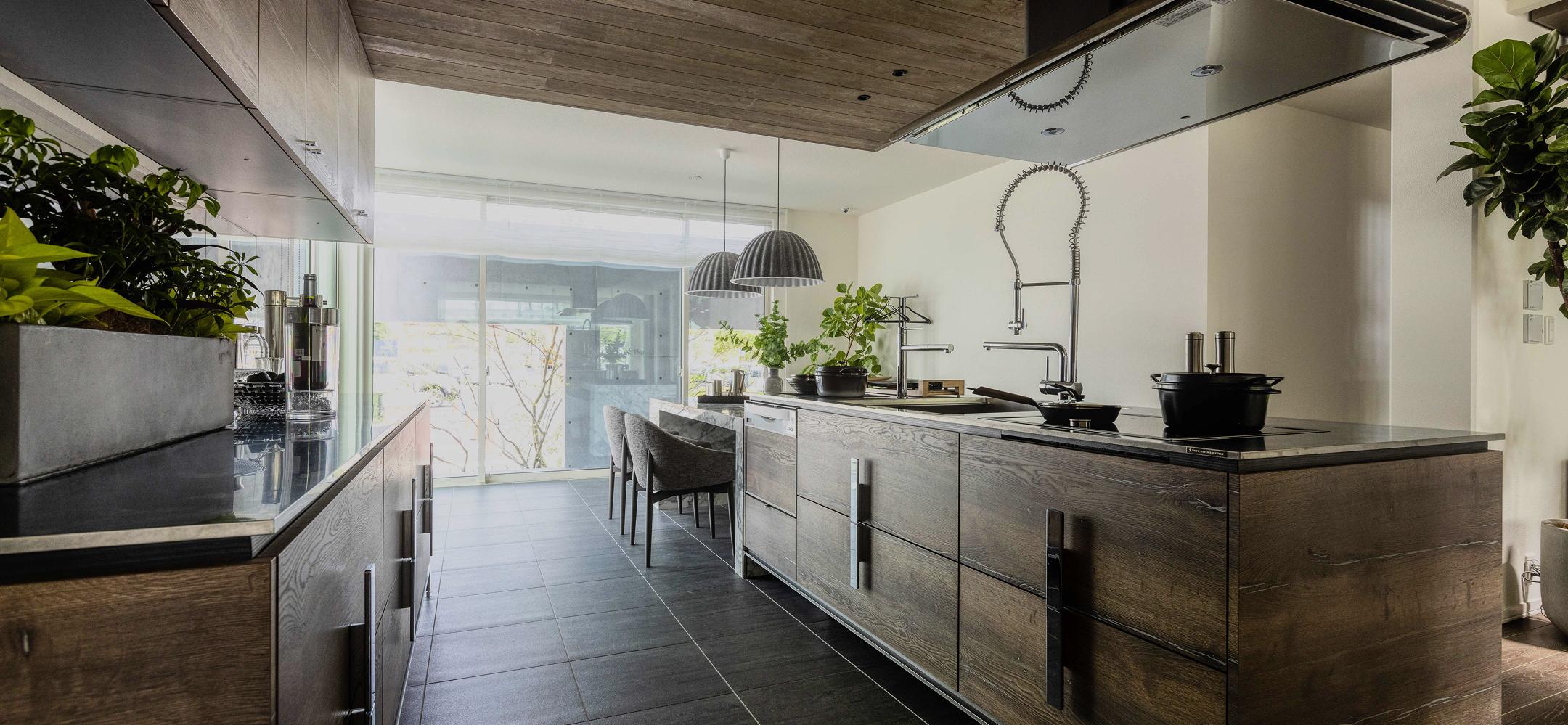
The Unique Character of SoHo and the West Village
Renovating a kitchen begins with listening to the neighborhood. Each has its own rhythm, its own architectural history, and its own sense of intimacy.
SoHo is known for wide-open lofts, cast iron detailing, high ceilings, and natural light bouncing off old industrial bones. Kitchens here act as sculptural anchors. They are often placed in open plans, so their presence shapes the flow of entire living spaces. A bespoke designer kitchen must be visually compelling from every angle because it becomes part of the room’s architecture.
The West Village carries a different cadence. Tree-lined streets, hidden courtyards, brownstones that speak in quiet tones. Kitchens in these homes often lean into warmth, texture, and subtlety. Here, NYC clients often prioritize kitchen designs that celebrate exacting millwork, handcrafted finishes, and layouts that feel close and welcoming.
Both neighborhoods share one truth. Residents expect meaningful design. They look for kitchens that respond to their life rather than impose on it.
Why Custom Kitchens Commissions from NYC Homeowners Feel So Different
A kitchen built for a specific home tells a different story than a standard renovation. It is shaped by the way someone cooks, gathers, and moves. Personalization is the top reason why many choose custom solutions. This is especially true in Lower Manhattan, where architecture varies block by block and fewer floor plans are exactly the same.
City residents rely on careful study. How do you reach for a pan? Where does the sun set? What materials bring you more of what you need? These questions guide the design process long before cabinetry is drafted.
Metier Interiors approaches kitchens as long-term vessels, companions. The aim is not only to build something beautiful but something that lives with you, adapts to you, and continues to feel relevant as time passes.
The Role of Custom Designed Cabinets in Urban Homes
Cabinetry is often the first place where a renovation shifts from standard to extraordinary. Custom designed cabinets allow space to work harder, especially in neighborhoods where square footage requires intention.
In SoHo, large-scale millwork complements open layouts. Tall storage walls, integrated appliances, and smooth planes create a sense of reassuring order within expansive rooms. The cabinetry becomes architectural.
In the West Village, millwork may take a more intimate form. Soft corners, warm materials, and tactile finishes bring depth to smaller kitchens. Instead of overwhelming the space, the cabinetry supports it. Handmade kitchen furniture blends especially well with historic architecture. The craftsmanship feels in conversation with the age and character of the home.
One example of how custom designed cabinets elevate functionality includes:
- Seamless appliance integration
- Hidden storage solutions tailored to lifestyle
- Materials selected to age gracefully in NYC homes
These details reshape the experience of moving through a kitchen. They create a sense of belonging within the space rather than simply filling it.
The Influence of Japanese and British Kitchen Traditions
Many kitchens in this area draw inspiration from two traditions that feel especially aligned with the way New Yorkers live. Japanese-style kitchens bring clarity and restraint. Every line has a purpose. Surfaces feel calm. Storage is intentional and quietly integrated. These spaces encourage a slower pace, even in a fast city. British-style kitchens introduce a different kind of warmth.
They balance heritage detailing, thoughtful joinery, and a sense of collected comfort. When these influences shape a bespoke designer kitchen, the result is a space that feels deeply grounded. It becomes equal parts refined, tactile, and welcoming. Metier Interiors often blends these sensibilities, allowing each kitchen to feel familiar yet unmistakably personal.
Handmade Kitchen Furniture and the Impact of Craft
For those who wish to bring SoHo’s artistic legacy or the West Village’s intimate craftsmanship indoors, handcrafted elements provide the perfect expression. While SoHo kitchens often bring bold, open layouts and West Village designs favor cozy sophistication, residents of both neighborhoods increasingly seek artisanal details that connect to the area’s creative heritage.
Handcrafted elements have always defined SoHo’s design legacy. The neighborhood’s roots in artisan studios and creative workshops continue to influence renovation aesthetics today. Handmade kitchen furniture honors that history, bringing individuality and soul into the room.
Handmade pieces carry subtle irregularities, textures, and warmth that machine-produced furniture lacks. Interest in artisan-made furnishings has risen steadily over the last five years, reflecting a growing desire for authenticity in the home.
Whether it is a hand-finished island, sculpted hardware, or a custom pantry installation, these pieces create a sense of grounding. They signal that every detail has been considered.
Materiality and Mood in a Bespoke Designer Kitchen
Choosing materials for a designer kitchen is not just about durability. It is about tone. Texture. The emotional quality of the space.
SoHo kitchens often favor contrasts. Smooth stone with matte wood. Reflective surfaces with quiet, organic elements. These choices give the kitchen depth without overwhelming the open layout.
The West Village gravitates toward softness. Natural wood, hand-tinted finishes, stone with movement. Materials that feel lived-in from the first touch.
For both neighborhoods, the winning combinations share one rule. They must feel intentional. A kitchen designed with care becomes a place you step into and immediately recognize as your own.
The Renovation Experience: What to Expect
Renovating in Manhattan has its challenges. Buildings are older. Layouts are unpredictable. Regulations vary.
Working with a studio that understands the nuances of Lower Manhattan ensures a smoother experience. Renovators must plan for structural idiosyncrasies, historic preservation guidelines, narrow staircases, and the logistics of daily life in walk-up buildings.
Metier Interiors focuses on communication, architectural precision, and craftsmanship. The renovation becomes a collaborative process, with the goal of minimizing disruption and preserving the rhythm of the home during transformation.
How These Kitchens Support Real Life
When a kitchen is shaped around you, daily life becomes easier. Moments become more meaningful. New Yorkers often describe their renovated kitchens as places where conversations start naturally, where mornings feel a little quieter, where gatherings feel more fluid.
This is the difference between a kitchen that functions and a kitchen that resonates. A bespoke designer kitchen does more than store pots and pans. It becomes part of the way you live.
Begin Creating Your Own NYC Kitchen
A kitchen renovation is an opportunity to create something deeply personal. With custom designed cabinets, handmade kitchen furniture, and thoughtful materials, you can decide whether your kitchen reflects the uniqueness of your neighborhood and its architecture or counterbalances it. Companies like Metier Interiors guide this process with care, shaping custom kitchens NYC residents cherish for decades.
If you are ready to start exploring possibilities for your own renovation, reach out to our team and begin building a kitchen that feels truly yours.


