

What Is Designer Kitchen Lighting?
Designed or high-end kitchen lighting refers to a layered approach to illumination that balances function, mood, and architectural expression. Rather than relying on a single source, it integrates several lighting types that work together to define the room.
In luxury kitchen interior design, lighting reveals the character of materials and dimensionalizes the space. Natural stone reflects differently than brushed metal or hand-finished cabinetry. And well-considered lighting breathes life into different nooks, allowing different elements to speak.
Imagine preparing dinner as daylight fades. The overhead lights soften, under-cabinet illumination brightens your work surface, and pendant fixtures cast a warm pool of light across the island. The space shifts naturally from preparation to gathering.
This thoughtful balance is central to artisan kitchen design, where every element contributes to the experience of the room.
How Does Luxury Kitchen Lighting Work?
Lighting in carefully designed kitchens functions through a layered structure. Each type of lighting supports a different purpose while contributing to the overall atmosphere.
Ambient Lighting
Ambient lighting provides the foundational glow of the kitchen. Recessed ceiling lights, architectural coves, or discreet fixtures often establish this layer.
In kitchens influenced by English kitchen style, ambient lighting is typically soft and warm. The goal is not to flood the room with brightness but to create a welcoming base layer that feels natural throughout the day.
Task Lighting
Task lighting focuses on precision. Areas where chopping, cooking, and preparation happen require clear illumination. Under-cabinet lighting is one of the most effective solutions in modern kitchen lighting design. It ensures countertops remain evenly lit without harsh shadows from overhead fixtures.
Well-executed task lighting quietly improves the daily experience of the kitchen. The work becomes easier. Details are clearer.
Accent Lighting
Accent lighting highlights architectural details and craftsmanship. Open shelving, textured stone backsplashes, and handcrafted cabinetry all benefit from gentle illumination. This layer draws attention to the artistry of the space, an essential element of luxury kitchen craftsmanship.
Accent lighting also allows the kitchen to transition from daytime functionality to evening atmosphere.
Decorative Lighting
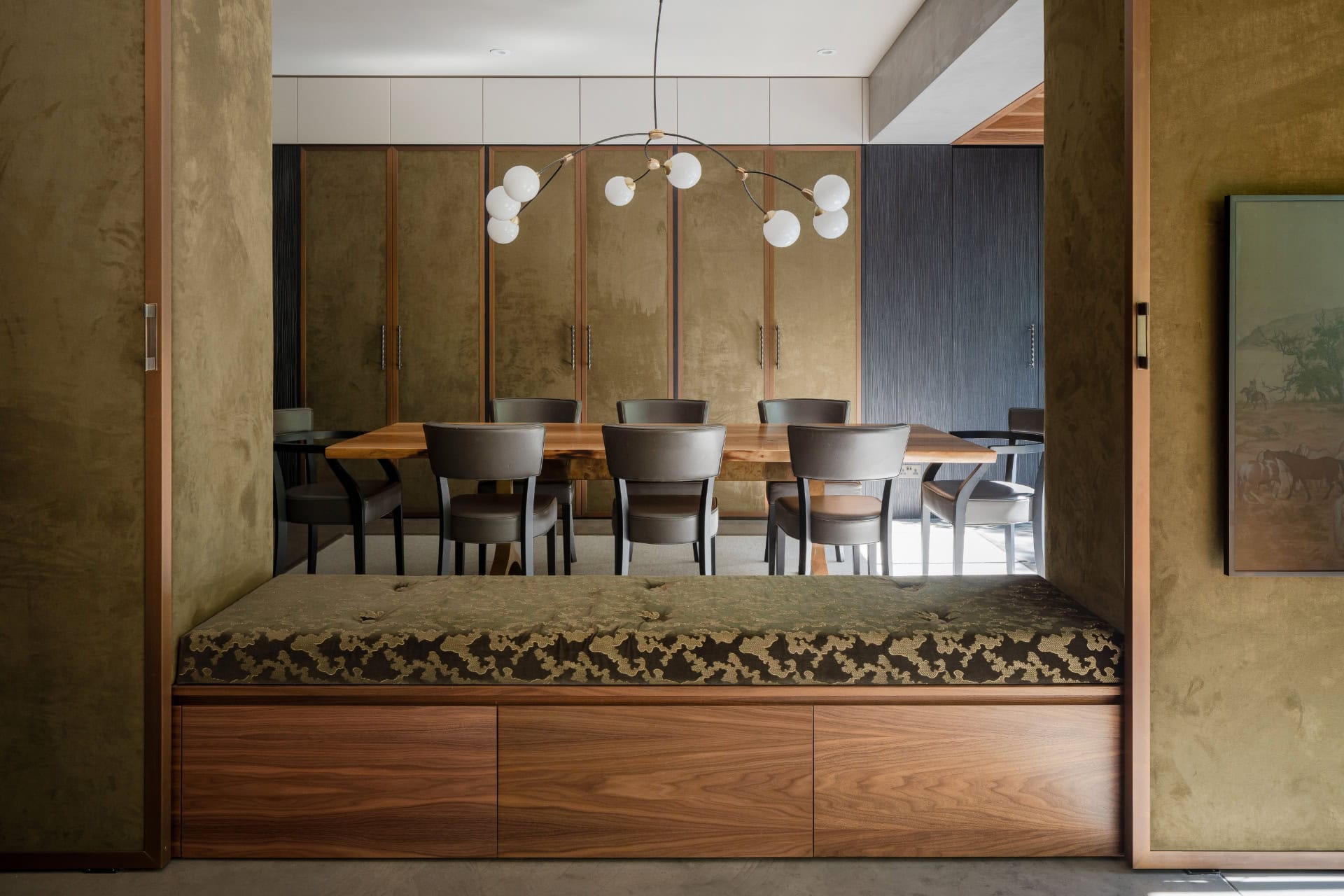
Decorative lighting brings character and choicefulness to a room. Pendant lights above an island, for example, can act as visual anchors in the kitchen. With bespoke kitchen lighting design, these fixtures often become focal points that complement cabinetry and architectural lines, blending aesthetics with purpose.
Why Is Lighting Important in Modern Kitchen Design Inspiration?
Lighting shapes how people experience a kitchen. Even beautifully crafted materials can feel flat if the lighting is poorly planned. Thoughtful illumination reveals depth, tone, and texture.
In spaces influenced by modern kitchen design inspiration, lighting also guides movement and flow. A well-lit island invites people to gather while softer perimeter lighting creates a calm backdrop.
Morning kitchens may feel fresh and bright. Evening kitchens become more relaxed and intimate. This adaptability is part of what makes carefully designed kitchens feel so comfortable. For designers and homeowners alike, lighting becomes one of the most powerful tools for shaping atmosphere.
How to Choose the Right Lighting for Your Kitchen
Selecting the right lighting begins with understanding how the kitchen will be used and how you want your space to make you feel throughout the day. In kitchens centered around gathering, island lighting becomes particularly important. In kitchens where many things all happen at once, a blend of lighting solutions will be helpful. While sculptural lighting designs and pendant fixtures can provide both illumination and a visual focal point.
Material selection also plays a role, not only in the kitchen itself but in the lighting fixtures as well. The materiality of a fixture, whether warm brass, hand-blown glass, or sculptural metal, contributes its own texture and presence to the space. Reflective surfaces, such as polished stone or brass, respond differently to light than matte finishes, and designers often adjust fixture placement and brightness accordingly. Dimmers are another valuable tool, allowing the kitchen to shift from energetic daytime activity to relaxed evening dining with ease.
For homeowners exploring luxury kitchen inspiration, working with experienced designers ensures that lighting integrates naturally with cabinetry, materials, and layout. At Metier Interiors, lighting is considered early in the design process. It is treated not as a final addition but as part of the architecture of the kitchen itself.
Frequently Asked Questions
Thoughtful Kitchen Lighting In Summary
The right lighting approach enhances both beauty and usability. A layered lighting plan offers several important benefits.
- Clarity for everyday tasks
Well-positioned task lighting makes cooking and preparation easier and safer. - Atmosphere and warmth
Soft, balanced lighting helps the kitchen feel welcoming rather than overly clinical. - Highlighting craftsmanship
Accent lighting brings attention to natural materials, joinery, and fine details. - Visual balance
Multiple lighting layers prevent harsh shadows or overly bright zones.
Together, these elements create kitchens that feel considered and complete.
The most memorable kitchens are rarely defined by a single feature. Instead, they emerge from an intentional harmony of materials, craftsmanship, and light. Thoughtfully planned high-end kitchen lighting reveals the depth of stone surfaces, the texture of wood, and the subtle details of custom cabinetry. It allows the room to move naturally from the brightness of morning to the warmth of evening gatherings.
In spaces shaped by artisan kitchen design, lighting becomes part of the experience itself. It supports creativity, conversation, and the simple rituals that unfold around food. If you are exploring luxury kitchen interior design or seeking new modern kitchen design inspiration, lighting is one of the most powerful tools for shaping how a kitchen feels.
To learn more about thoughtfully crafted kitchens and our design philosophy, explore the work of Metier Interiors and discover how we create kitchens that feel personal, enduring, and deeply connected to the people who live within them.


