

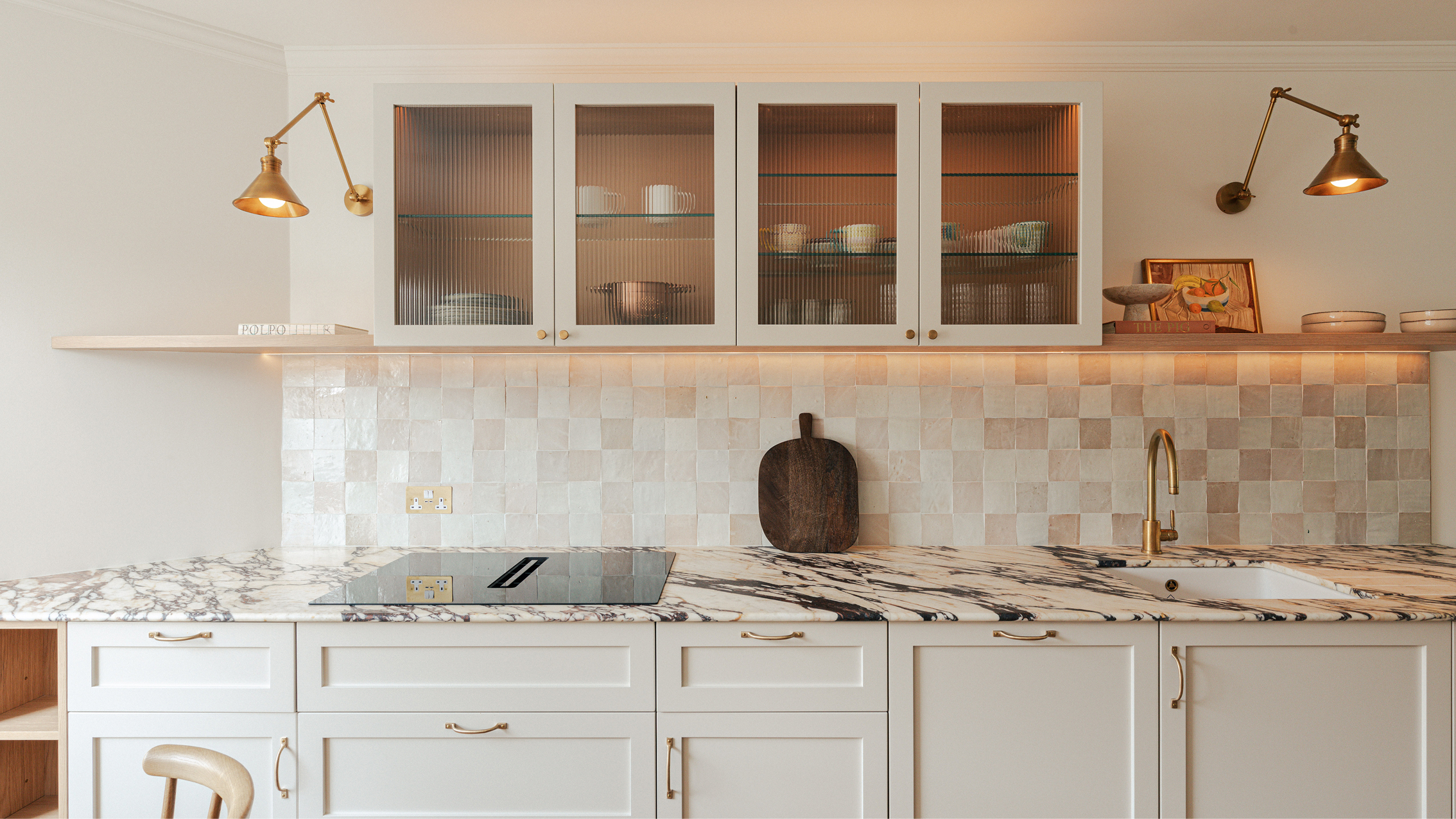
What Is British Kitchen Design?
In the beginning, this design was born from the need for more robust utility. After WWII, British kitchen design evolved from free-standing ornate furniture and shelving into understated, durable fitted cabinetry that was crafted for working kitchens. And since then, the English style has evolved and expanded further to meet modern day family needs – communal, expressive and tactile.
Traditional British kitchen interiors suit homes where kitchens are the heart of the household. In New York, especially on the Upper East Side, this sensibility translates naturally to apartments and townhouses where history and modern life meet.
Unlike kitchens built to impress for a moment, these designs are meant to accompany you through years of use. They do not shout, they stay.
The Quiet Character of Oak
Designed Around Daily Life
British kitchens begin with how the room will be used, not how it will photograph. Storage is generous but discreet. Work surfaces are chosen for touch as much as durability. Every cabinet is designed with purpose.
This approach adapts well to New York spaces where kitchens must work hard without dominating the home. This style can feel substantial without overwhelming the room, making it ideal for Upper East Side apartments where elegance comes from balance.
Built, Not Assembled
Bespoke kitchen cabinets endure thanks to how they are made. Cabinets are built individually, often by hand, using time-tested joinery. This is not flat pack construction scaled up. It is furniture making applied to kitchens.
That difference is felt immediately. Doors align effortlessly. Drawers glide with a reassuring weight. Over time, the kitchen gains character instead of showing wear.
A Dialogue Between Old and New
These craftsmanship kitchens are not frozen in the past. They absorb modern appliances and technologies quietly. What changes is how those elements are integrated.
Rather than becoming the focal point, appliances recede. The room remains calm. In New York, where modern living is essential, this balance allows homes to feel current without losing warmth.
Why British Kitchen Design Works in New York
New York is fast, expressive, and constantly reinventing itself. Design rooted in English heritage offers a counterpoint. It brings continuity, reassurance.
For many homeowners, especially in historic neighborhoods, there is a desire for interiors that respect architectural context. Traditional British kitchen interiors complement prewar details, moldings, and natural materials without imitation.
There is also a shared cultural appreciation. Both New York and England value craftsmanship, legacy and design. Kitchens shaped by those values feel at home here.
According to long-standing design principles embraced by studios such as Shape London, restraint and clarity create spaces that last. This philosophy naturally aligns with city clients seeking kitchens that feel personal rather than performative.
The Benefits of British Craftsmanship Kitchens
The lasting appeal of these kitchens comes down to experience. They feel different to live with.
First, there is longevity. Materials are selected to age gracefully. Painted finishes soften. Wood develops depth. The kitchen becomes storied over time rather than tired.
Second, there is an emotional connection. These kitchens are not anonymous. Subtle variations in hand-finished cabinetry create a sense that the space was made for someone, not everyone.
Finally, there is flexibility. British kitchens facilitate varied needs because they are thoughtfully planned and solidly built. They can evolve without losing coherence.
British Kitchen Design on the Upper East Side
The Upper East Side in particular has long been drawn to interiors with lineage. Here, kitchens shaped by this feel particularly at ease.
Apartments often require sensitivity to scale. British kitchens respond with cabinetry that feels architectural without heaviness. Colors are nuanced. Hardware is understated. Nothing competes with the room’s bones.
In townhouses, traditional British kitchen interiors can span generations. They connect garden-level kitchens to upper floors through material continuity and thoughtful detailing.
This is why these kitchens endure. They belong.
How to Find the Right Kitchen Design for Your Home
Designing your kitchen shouldn’t be about selecting a style, it should be about curating your ideal environment.
Think about how you move through your kitchen each day. Where do conversations happen? Where does light fall in the morning? What do you want from your space? These are the questions that shape the design more than any catalogue.
Explore how different cabinets are made. Artisan-crafted kitchen cabinets feel like furniture, rather than fixtures. Ask about joinery, finishes, and how pieces are installed.
At Metier Interiors, our kitchens are conceived as rooms with presence, spaces designed to support the rhythm of life rather than interrupt it. Our process values collaboration and patience, resulting in spaces that feel complete.
Frequently Asked Questions
Why These Kitchens Continue to Matter
In a world of constant updates, British kitchen design offers continuity. It does not chase relevance, it’s already earned it.
These kitchens endure in New York because they understand something essential. A kitchen is not just a place to cook. It is where mornings begin, days are spent, and evenings unwind.
We approach each project with that understanding, creating kitchens that feel personal, grounded, and lasting. If you are considering a kitchen that will stay with you through years of change, explore how these design principles can shape a space that truly feels like home.


