

What Is an Ergonomic Japanese Kitchen Layout?
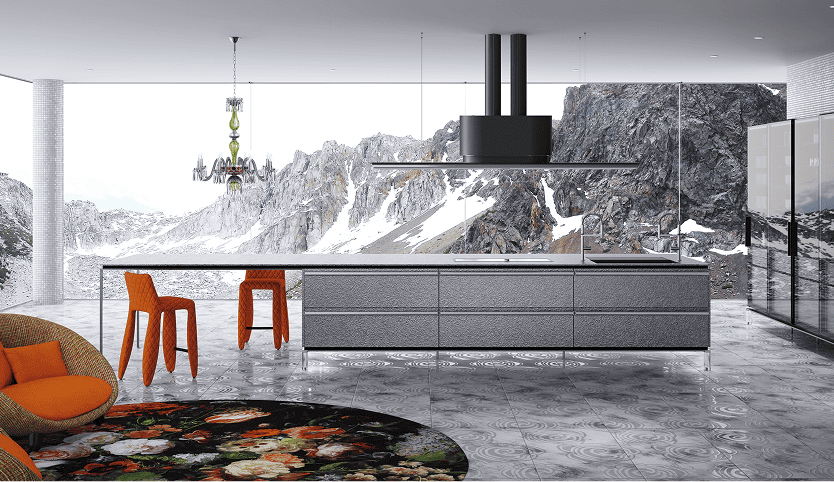
An ergonomic Japanese kitchen layout is a design approach inspired by human movement, spatial awareness, and restraint. At its core, it prioritizes how the body moves through space, reducing friction between tasks while creating a sense of calm and clarity.
In Japanese kitchens, this is not considered after aesthetics; it is foundational. Counter heights align with posture. Storage is positioned where the hand naturally reaches. Pathways remain clear, even in compact spaces. A cook can move from prep to cooking to cleaning with minimal interruption.
This philosophy is especially relevant in New York homes, where space is valuable, and every decision changes daily life. Japanese design shows that limited square footage can still feel expansive when movement is honored.
How Japanese Design Thinks About the Kitchen
Movement Before Objects
Japanese kitchen design begins with motion. Designers consider how someone enters the space, where they naturally pause, and how tasks follow on from one another. Appliances and cabinetry follow these patterns rather than dictating them.
This results in kitchens that feel intuitive. You do not think about where to stand or where to place something; your body naturally knows.
Compact Does Not Mean Constrained
Many Japanese kitchens are modest in size, yet they rarely feel cramped. This is achieved through precise proportions and intentional spacing. Clear sightlines, integrated storage, and uninterrupted surfaces help the room breathe.
In compact New York apartments, this approach is transformative. Instead of forcing oversized elements into tight footprints, Japanese-inspired layouts make spaces feel larger than they are by containing everything one needs.
Tools With Purpose
Nothing is arbitrary; each element has its place. This mindset reduces visual noise and mental fatigue, allowing the kitchen to support focus and creativity rather.
How Does an Ergonomic Kitchen Layout Work in Practice?
At a practical level, layouts work by aligning design decisions with daily habits. The sink, cooktop, and prep areas are closely positioned to minimize steps without feeling cramped. Storage for frequently used items sits within easy reach, while less-used pieces are tucked away in deep and smart storage compartments.
Work surfaces are continuous, encouraging fluid motion rather than segmented tasks. Corners are softened or utilized intelligently, avoiding dead zones. Lighting is layered and deliberate, supporting both function and atmosphere.
In NYC homes, where kitchens often serve multiple roles, this approach creates flexibility. A space can transition from morning routine to evening gathering without losing its sense of order.
Why Ergonomics Matter More in NYC Kitchens
New York kitchens work hard. They host quick breakfasts, late-night cooking, conversations, and moments of pause. When ergonomics are overlooked, these daily activities become filled with friction.
An ergonomic kitchen layout, which NYC designers increasingly prioritize, helps reduce strain, both physical and mental. When movement feels natural, the kitchen becomes a place you want to return to, not rush through.
Japanese design adds another layer. It introduces quiet intention. Instead of chasing trends, it focuses on longevity and lived experience. This creates kitchens that remain relevant because they are grounded in how people actually live.
The Influence of Japanese Craft on Modern Kitchens
Japanese craftsmanship values precision and honesty in materials. Surfaces are meant to be touched. Edges are refined but not fussy. There is an emphasis on balance rather than symmetry.
This sensibility pairs beautifully with contemporary kitchens. It allows modern forms to feel warm rather than stark. An ergonomic Japanese kitchen layout often blends advanced engineering with subtle detailing, resulting in spaces that feel both forward-thinking and deeply human.
Metier Interiors draws inspiration from this philosophy, particularly through its appreciation for Toyo Kitchen Style, where innovation and craft intersect.
Benefits of an Ergonomic Japanese Kitchen Layout
The most immediate benefit is ease. Cooking is smoother. Cleaning feels less disruptive. Storage works with you rather than against you.
There is also a psychological benefit. Clutter is reduced not by restriction, but by design. When everything has a place that makes sense, the space feels calmer and more spacious.
Over time, these kitchens reveal another advantage. They age well because they are designed around human behavior rather than fleeting aesthetics; they remain satisfying years later.
How to Choose the Right Kitchen Layout for Your Home
Choosing the right layout begins with observation. How do you move through your current kitchen? Where do you feel friction? Where do you linger?
The right layout should respond to those patterns, not overwrite them. Japanese-inspired design encourages customization at a deep level. It is not about copying a look, but adopting a way of thinking.
Working with a design studio that understands this nuance matters. Metier Interiors approaches kitchens as personal environments, shaped by individual rhythms and architectural context. Their work reflects a sensitivity to both space and life inside it.
Frequently Asked Questions
Designing Kitchens That Stay With You
An ergonomic Japanese kitchen layout is equal measures of perfection and presence. It supports your routines quietly, allowing moments to unfold without resistance.
For NYC homes, where space and time are both precious, this approach offers something lasting. A kitchen that moves with you. A space that feels considered, not imposed.
Metier Interiors designs kitchens with this philosophy in mind, creating environments that extend beyond function and into daily life. If you are ready to explore a kitchen that is deeply attuned to you, the next step begins with a conversation.


